How to File a Storm Damage Roof Insurance Claim in Southeast Texas
Filing a storm damage roof insurance claim in Southeast Texas can feel overwhelming, but the right steps protect both your home and your payout. Beaumont, TX, sits in Jefferson County, one of the Gulf Coast's most storm-active areas. Hurricane season runs June through November, and Tropical Storm Imelda alone dropped over 40 inches of rain on Jefferson County in 2019. A timely, well-documented roof repair claim can make a significant difference in what your insurer covers.
What Should You Do Immediately After Storm Damage?
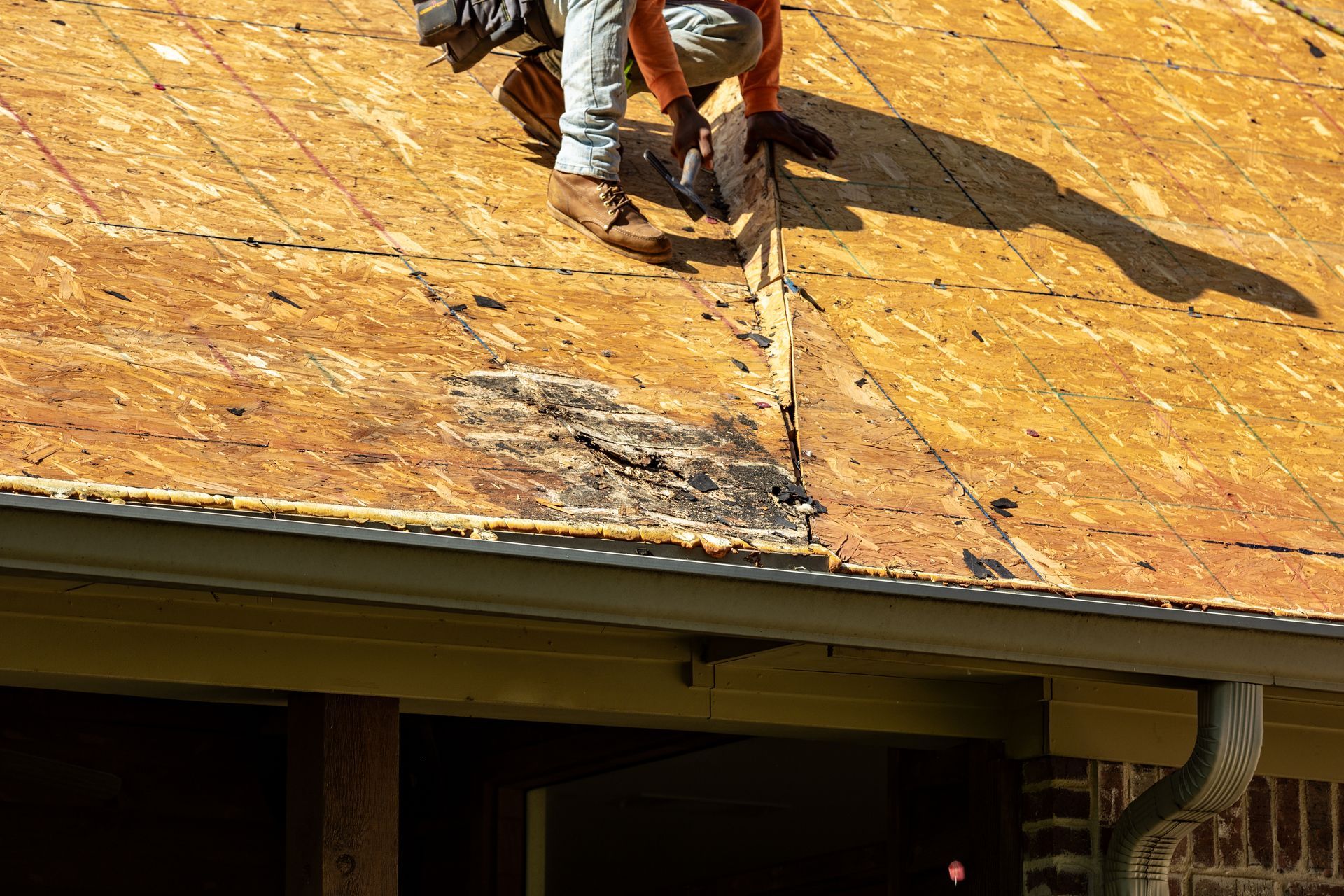
Document everything before cleanup begins. Take wide-angle photos of your entire roof, then close-ups of every damaged shingle, dented vent cap, or lifted flashing. Place a ruler in the frame to show hail strike size. Photograph your attic interior for moisture intrusion or deck stress. Storm damage evidence degrades quickly under Southeast Texas heat and humidity, so move fast.
Make Temporary Repairs to Prevent Further Loss
Most homeowners policies require reasonable steps to prevent additional damage. Tarping exposed areas satisfies this requirement while the formal claim moves forward. Keep all receipts for temporary materials. Once approved, completing the full roof repair promptly limits secondary damage and keeps your insurer satisfied.
Review Your Policy Before You Call
Jefferson County sits in a TWIA coverage zone, so homeowners often carry both a standard policy and a separate Texas Windstorm Insurance Association (TWIA) policy, each with different coverage and claims processes. Knowing which applies gets your roof repair claim to the right carrier faster.
How Does a Roofing Contractor's Inspection Report Help Your Claim?
A professional inspection report gives adjusters an itemized, expert account of exactly what the storm damaged. A qualified contractor can identify issues homeowners miss, such as granule loss patterns consistent with hail versus normal wear, or wind uplift damage on ridge caps.
What a Strong Inspection Report Typically Includes
A thorough report should include dated photographs of the storm event, a written scope separating storm damage from pre-existing wear, material specs for any repair or replacement, a cost breakdown based on Beaumont, TX, pricing, and permit notes, since Jefferson County may require permits for construction in unincorporated areas. This documentation can reduce disputes and speed settlement.
What to Expect at Settlement
Your insurer typically issues an Actual Cash Value (ACV) payment first, minus depreciation, then a second check once repairs are complete if your policy covers recoverable depreciation. Claims can take several weeks after a named storm, so a detailed damage report beforehand speeds up settlement.
Frequently Asked Questions
How Long Do I Have to File a Storm Damage Roof Claim in Texas?
Texas law generally allows two years from the storm date, but your policy may set a shorter deadline, so file promptly.
Can I Choose My Own Roofing Contractor for Insurance Repairs?
Yes, Texas homeowners can select any licensed contractor; your insurer cannot require you to use one from their preferred list.
What if My Insurance Adjuster's Estimate Seems Too Low?
Request a re-inspection, provide your contractor's itemized report as evidence, or hire a public adjuster to negotiate on your behalf.
Get Trusted Help With Storm Damage in Southeast Texas
Storm season in the Golden Triangle is not a question of if but when. Able Roofing has served Southeast Texas homeowners for over 40 years and can provide the inspection documentation your claim may need. Call (409) 898-6348 or contact our team online.
Recent Posts